Written by Anna Tilley, edited by Sonia Naorozy
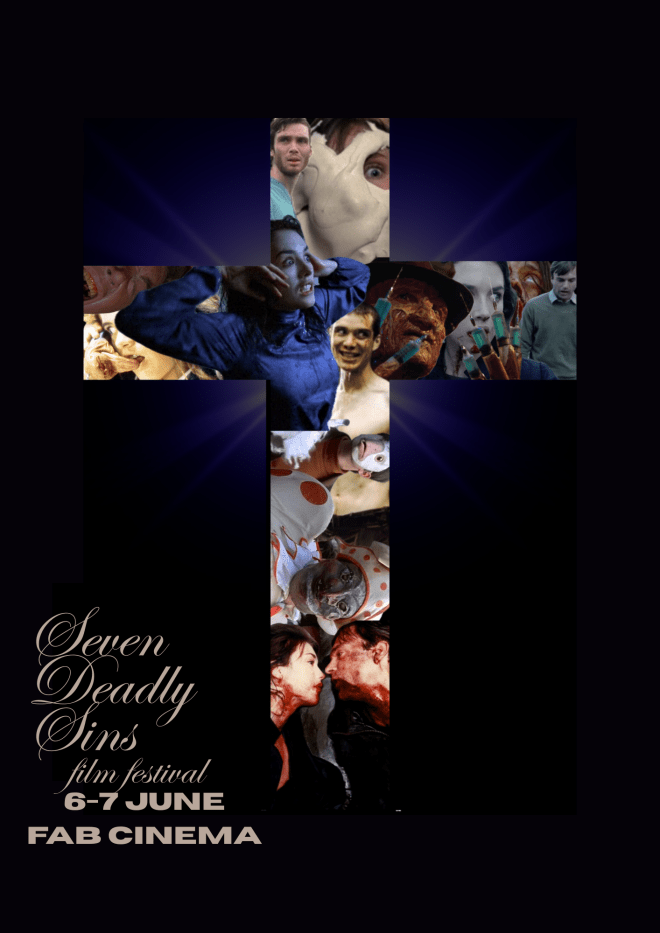
The first weekend of June 2026 saw the Horror and Gothic Film students’ ‘Seven Deadly Sins’ film festival take over the FAB cinema, screening five horror films which corresponded to the seven deadly sins from the Bible.
The festival kicked off with an unexpected yet welcoming comedy routine by the two hosts, Daedula Grabham and Enygma Porteous, who were dressed as ghosts. A forgotten-script ruse gave way to their spooky introduction; jumping out from under the desk, they explained that they were the ghosts of Catholic priests and had brought us into ‘hell’ to expose us to the kinds of sins that, in their words, ‘sinner-ma’ has to offer. This Catholic theme extended to a confessional table of sorts, where audience members could ‘confess’ to their horror ‘sins’ on post-it notes and, as they often do in Catholicism, the priests read them out in front of the audience. The subsequent riffing was rife with further puns, one of the most memorable being in response to someone calling the pirate monster from the Backrooms ‘mid’: “Right you aaarrghh!”
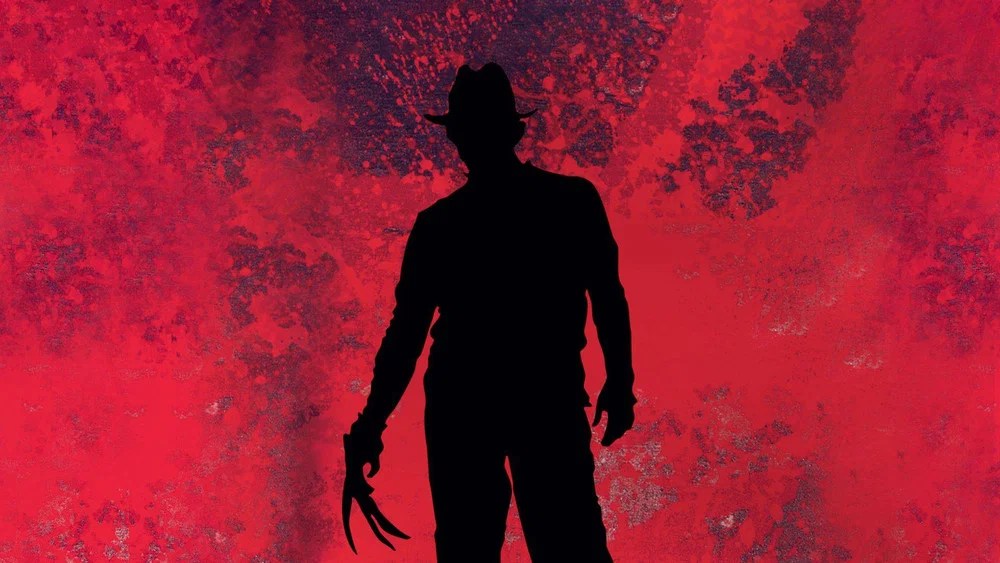
The first film to be screened was A Nightmare on Elm Street (1984), fitting the seventh of the deadly sins, Sloth, as falling asleep is what puts characters at the mercy of Freddy Krueger. Despite technical difficulties preventing us from seeing the 4K Blu-ray edition, the DVD didn’t diminish my enjoyment of Craven’s feature. The experience of seeing some of the film’s most extravagant practical effects and gory moments was amplified by the big screen regardless. For instance, knowing that Glen’s explosive blood-geyser scene was coming up had me creeping upwards, moving further towards the screen to fully revel in its gratuity.
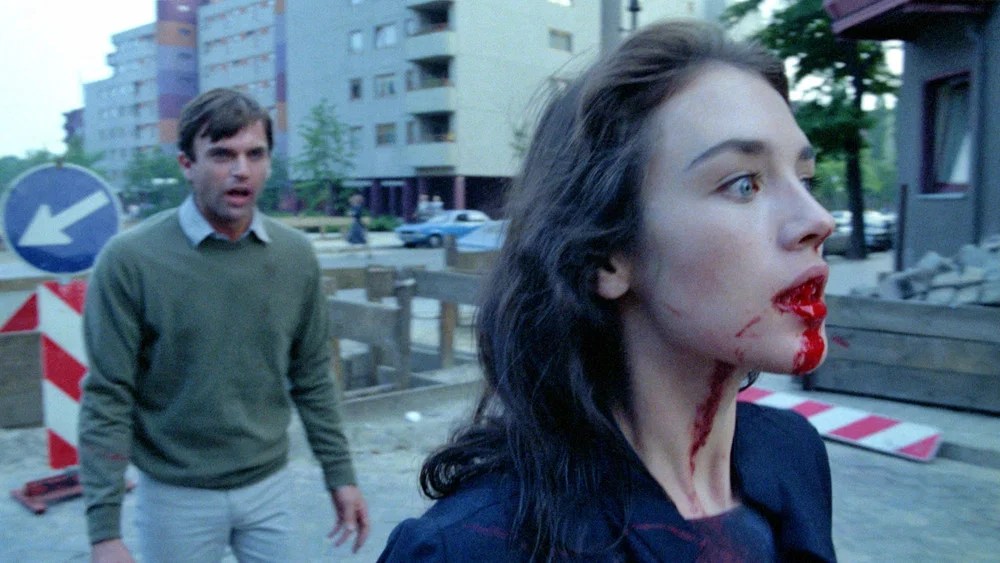
Next up was Andrzej Żuławski’s Possession (1981), representing Lust and Envy. This was screened in gorgeous 4K Blu-ray, which sharpened the brutalist Berlin cityscapes and highlighted the deep blues of Anna’s eyes and dresses against the grey concrete towers. Unlike previous low-quality versions that I had seen, this edition revealed all the twisted appendages of the monster, bringing them out of the darkness of the Berlin apartment and into my nightmares. Despite having seen it before, I was still surprised by the film’s endless twists and turns, and equally confused by the final twenty minutes of vaguely connected action scenes. I wasn’t the only one struggling to comprehend the film’s final act; one of the audience members behind me audibly reacted to each unusual event that occurred throughout it. He seemed to have been unsuspecting of what is widely considered one of the most disturbing horror films of all time.
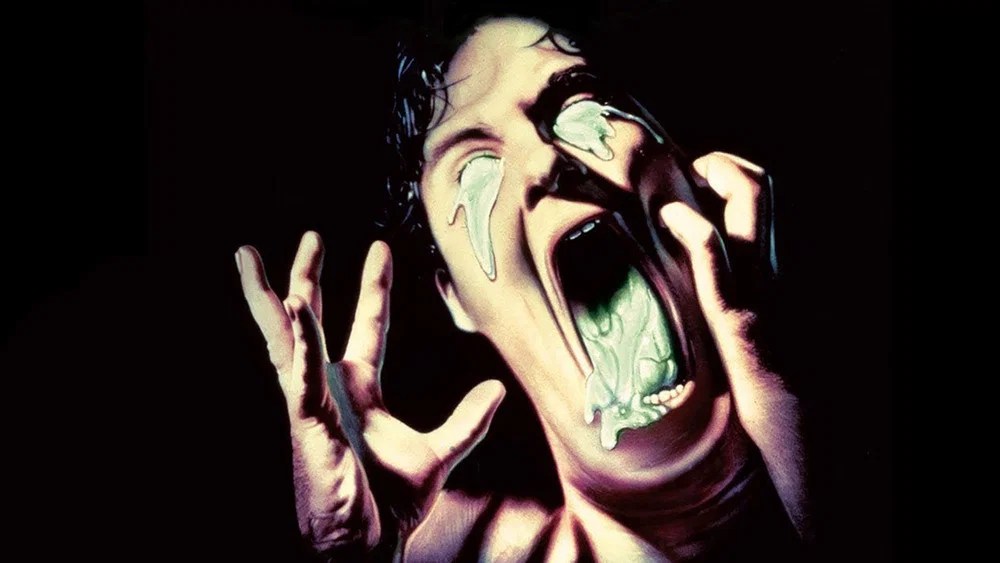
The next film was quite an overwhelming watch for 11:00 AM, as Sunday’s first screening was Larry Cohen’s 1985 film The Stuff. As described by the (g)hosts, it perfectly encapsulated both Greed and Gluttony through its plot criticizing unregulated corporations. This screening was accompanied by complimentary Squashies sweets to mimic the titular ‘goo’ from the film, as well as an introduction which prefaced its wackiness and political incoherence. As an ’80s horror B-movie, The Stuff lacked quality in many aspects, featuring unnatural dialogue choices (“Everybody has to eat shaving cream once in a while”), nonsensical editing, and terrible green-screen effects; however, I thoroughly enjoyed its chaos. The practical effects used to recreate victims of ‘The Stuff’ were shocking and graphic but incredibly well-crafted, certainly piquing my interest as a fan of practical effects in horror. It featured some potentially controversial messaging towards the end, as a fascist anti-government militia becomes the film’s heroes by raiding ‘The Stuff’s’ factory and sending out a public service announcement warning of its dangers. This does seem to fit with the overall anti-government message pushed through the negative representation of the US Food and Drug Administration—just perhaps in a way that hasn’t aged well.
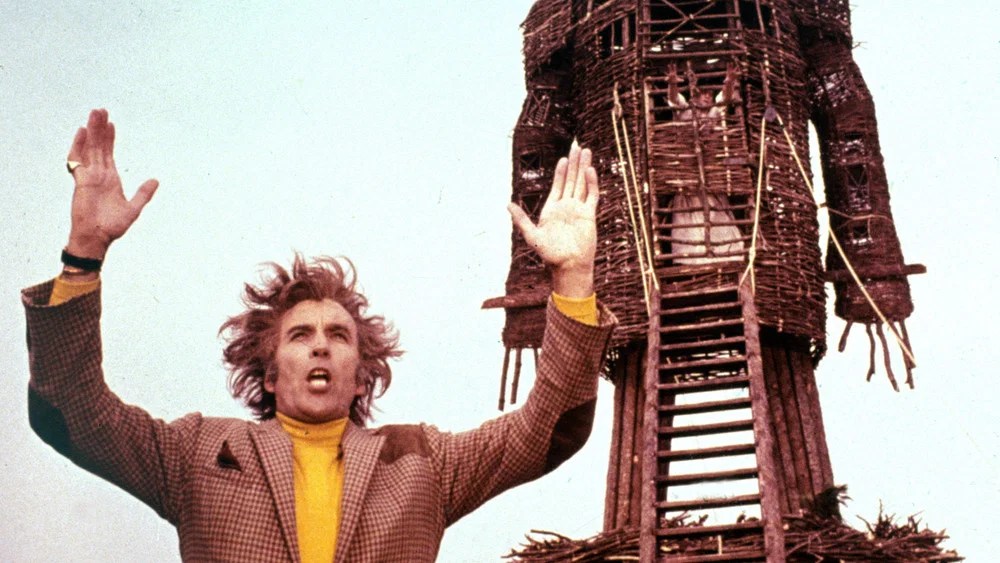
The film I had been most looking forward to seeing in the cinema was next: the 1973 folk horror The Wicker Man, directed by Robin Hardy. This film embodies the sin of Pride through the protagonist’s superiority complex over the townsfolk, driven by his Christian beliefs as opposed to their Pagan ones. Having only seen the theatrical cut on my DVD copy, I was enlightened by the 4K Blu-ray version, which used the 40th-anniversary cut and restored most of the footage while adding in extra ‘lost’ footage. One of the highlights of the festival was being able to see these films not only on the big screen, but also in such rich quality. To close off the film, the (g)hosts struck up another pun, with one complaining of the film’s slow pace and the other replying, “Yeah, I wish it went quicker, man.” The dad jokes and puns really defined the festival’s relaxed and casual tone, making it feel more like an appreciation of the enjoyment cinema can provide rather than an intellectual discussion.
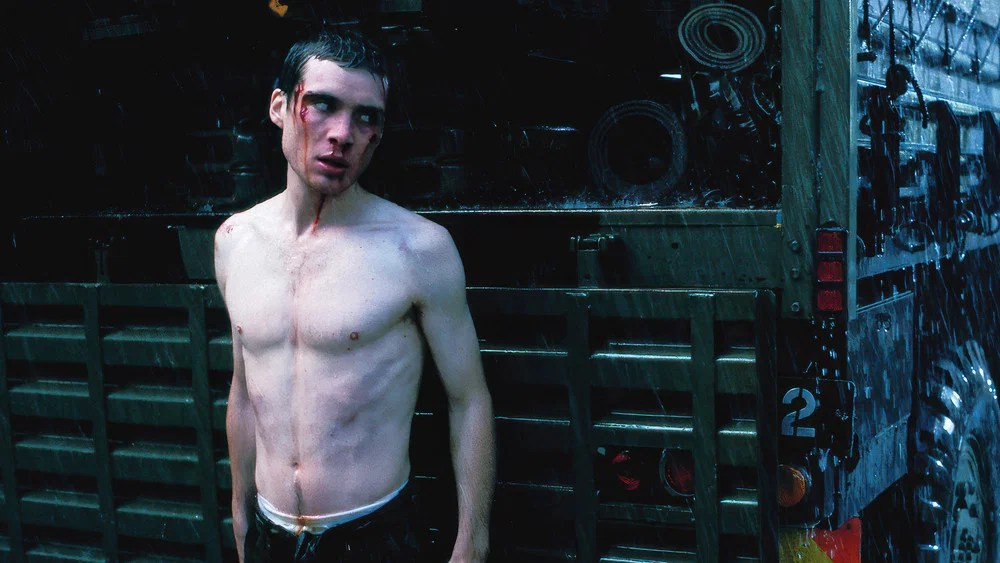
Finally, to close out the festival, we witnessed the sin of Wrath, represented through the rage virus-infected people—notzombies—in Danny Boyle’s 28 Days Later. It began with an informative introduction by one of the (living) hosts about the film’s production. They explained how Boyle cast lesser-known actors to anchor the reality of the film, distancing it from blockbuster disaster movies in which the star power of the cast distracts from the realness. Ironically, the film proved to be the big break for many of its actors, with Cillian Murphy being the prime example, going on to star in Christopher Nolan’s Batman trilogy shortly afterwards. In my opinion, this film was perhaps not the best-suited to the big screen because its early digital visuals made every imperfection clear to see. But they equally exposed previously unseen elements in a way that smaller televisions cannot. So, while the visuals felt better suited to the small screen, the film’s rage virus, spawned from intense exposure to human violence, portrayed the sin of Wrath perfectly.
Continuing with the element of audience interaction, a Kahoot quiz was added to the end of the weekend, testing our knowledge of various horror films. This was a great way to finish the festival. Despite finishing in fifth place, I really enjoyed how the (g)hosts made the most of the weekend, including lots of opportunities for horror-related fun rather than simply screening the films in isolation. Overall, the Seven Deadly Sins festival had a perfectly curated schedule of films, each clearly matching the sins to which they corresponded, and included many of my classic horror favourites. The hard work of the hosts was obvious, as they managed to produce a unique and interactive experience that proved very enjoyable for me and the rest of the audience.

