Written by Mason Stannard-Parages, Edited by Sonia Naorozy
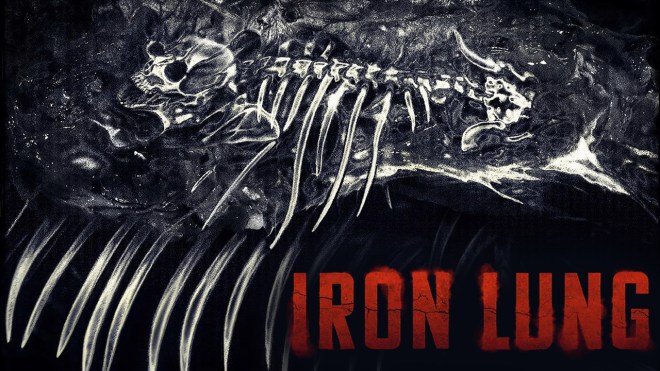
Mark Fishbach is famously known for his Youtuber channel, Markiplier. His ‘Let’s Play’ series on the Five Nights at Freddy’s franchise and Subnautica, combined with his humorous commentary and explosive reactions, have been entertaining fans across the world since the beginning of his career in 2012. Recently, he made his debut as an indie filmmaker with the release of Iron Lung (2026), a film adaptation of the original game created by David Szymanski.
Unlike many other YouTube channels, Markiplier stands out amongst the stereotypical dyed-hair-gamers of the online community for his consistent content experimentation. Whilst he frequently uploads gaming videos – often playing the latest horror games from independent, small companies – he also creates content in alternative formats. This includes his interactive mini-series, featuring titles like A Date with Markiplier, Who Killed Markiplier, A Heist with Markiplier, and the latest edition to the franchise, In Space with Markiplier. Not only are these projects well-written and professionally filmed, but they are also uniquely hilarious. They have allowed Markiplier to expand his sophistication as a creator. His use of ‘alter-egos’ has become a staple of his channel and, as the Markiplier lore has unravelled over the years, it has enabled the evolution of these characters to unfold. Much more than just Markiplier playing various roles, these mini-series are cleverly constructed to be interactive, with multiple choices leading to a variety of different endings. With every choice, a new character is unlocked, meaning the story arc continually expands. This revolutionised Markiplier’s content, showcasing his talents as a storyteller and writer, far beyond the boundaries of being a gamer.

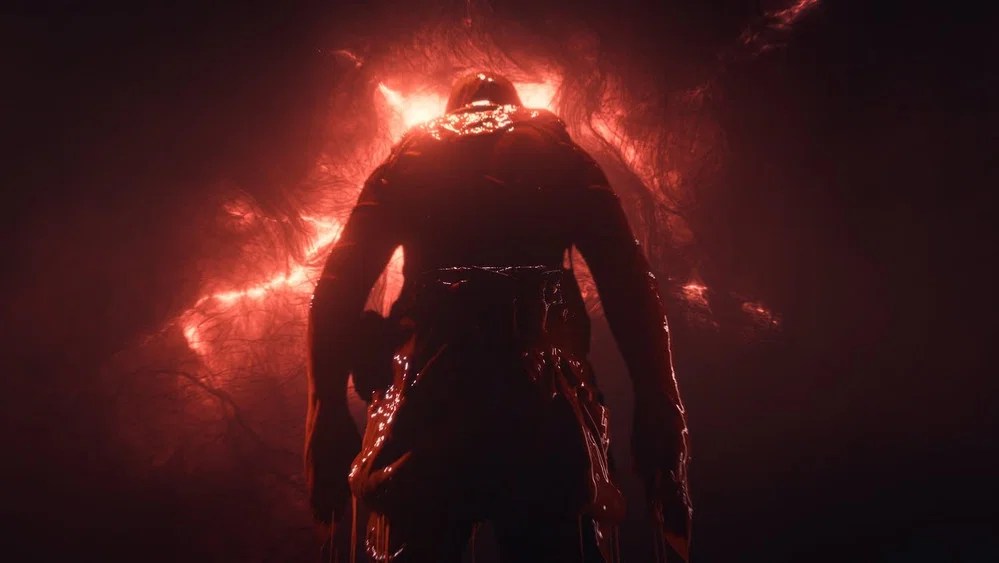
Ultimately, this creative evolution led him to overwhelming success with Iron Lung. Despite an initially limited theatrical run of three days, the film ended up making $21.7 million in its first weekend, which is “roughly seven times its budget”, as Forbes states. This is an immensely impressive achievement, considering the project was entirely “self-financed by Markiplier” himself. Not only did the film surpass other mainstream releases like Sam Raimi’s Send Help,but Markiplier was personally invited to the Oscars as a result of his film’s immense success, successfully demonstrating how low budget, indie projects can outperform their mainstream, studio-financed counterparts. The film also broke a record for the most fake blood used in a film. Far Out Magazine notes that Markiplier “revealed after filming that the total amount used was 80,000 gallons, smashing the existing record by a cool margin”. After watching the film, I can confirm that oceans of blood were indeed used, and it was stunningly haunting to see on the big screen.
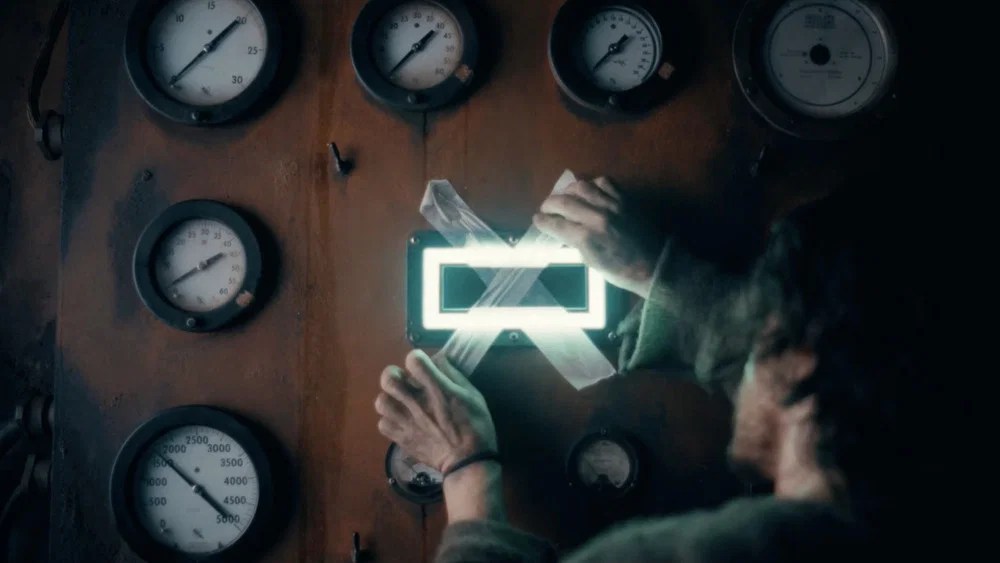
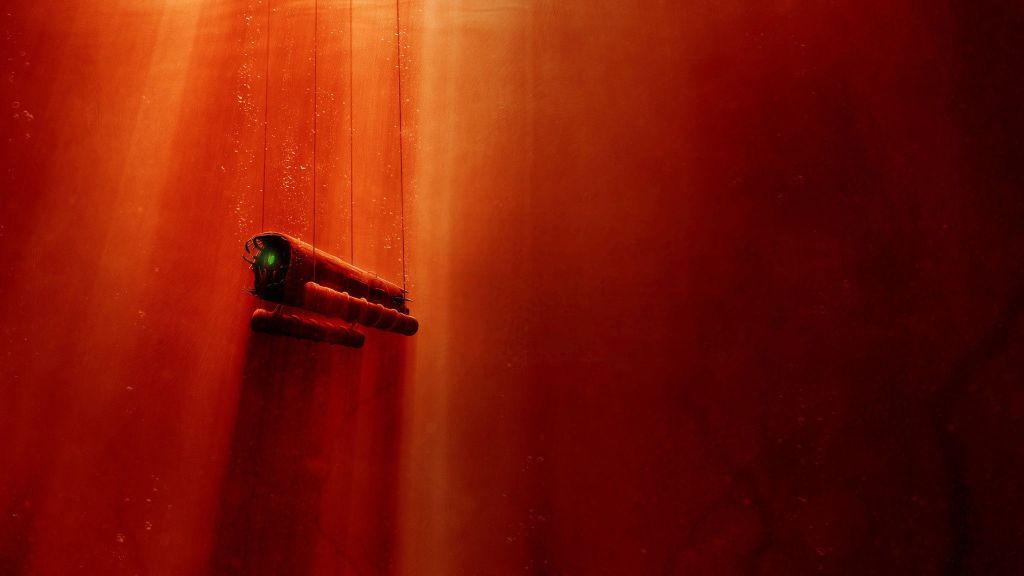
Iron Lung was inspired by the game of the same title. However, in interviews, Mark has established that the game and the film exist in separate universes in terms of lore. This leaves both narratives open ended, allowing for more content to be written down the line. Nonetheless, the film remains strikingly similar to the game in terms of story, setting and mechanics. The game itself is basic in its graphics and functionality, set entirely in one claustrophobic space, the submarine known as the Iron Lung, and submerged in the moon’s blood ocean. The first-person gameplay involves steering the submarine to coordinates specified on a map to collect samples via the camera mechanic, which is revealed to be an X-ray rather just a standard camera. It is incredibly impressive to see this transition from game to film, extracting the essence of a simple, minimalist game and expanding it into a bone-chilling, two-hour creature feature. Markiplier had previously demonstrated his ability to write and produce through his online mini-series, but Iron Lung exemplifies his raw talent and skill on a grander scale.
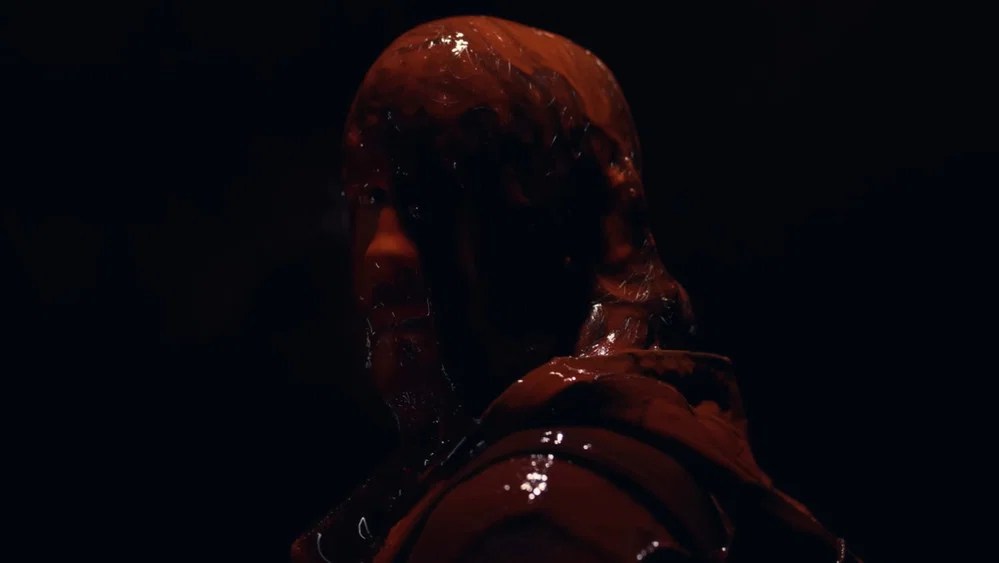
The film follows Simon (played by Mark Fishbach himself), a convict attempting to earn his freedom by unwillingly volunteering to venture into a lunar ocean of blood, in attempts to help restart humanity after the Quiet Rapture, a cosmic event that inexplicably wiped out all the stars in the universe. The film starts slow, with information being revealed bit by bit, such as the x-rays suggesting that all the bones Simon had been photographing may be more than just bones. Markiplier executes his role brilliantly, layering of personality and cryptic details in lore. He shifts from being a confused and frightened convict to a desperate man fighting a cause he didn’t choose, as we later find out that his reason for imprisonment was because he destroyed a space station. His morally ambiguous character sets up and foreshadows his behaviour later in the film, as we watch him begin to spiral into insanity, affected by a mixture of low oxygen, alcohol indulgence, radiation poisoning and the supernatural encounters with the eldritch creature that picks him to free it. Despite the film being set in one room, which at times can fall into the trap of being under stimulating, the film does an excellent job at keeping tensions high, leaning heavily into traditional Lovecraftian eldritch horror. There is something cosmically chilling about a creature beyond our human conception having the power to wipe out humanity. Paired with the inability to see the horrors that lie beneath the blood, this unseen threat haunts the narrative and drives the protagonist to question his every move.
The pacing of the film is immaculate, allowing the audience to uncover elements of the story alongside the character. It purposefully forces us to spiral into insanity alongside Simon, making us question whether what we are being shown is reality, or just a figment of his poisoned imagination. The visuals are also stunning throughout, especially in the moment where Simon emerges from the endless sea of blood as an all-seeing eye watches him from the sky: it truly is a sight to behold.
To see someone who has worked so hard to provide his community such enjoyable content over the years now succeed in a project with immense scale and with great achievement is a heart-warming experience, and thus stands as a lasting inspiration for all the creatives in the world who want to make content and write films.

