Written by Ava Bibb
The arrival of Saturday Night Live in the UK has been a long time coming and something many people weren’t entirely convinced we needed. For decades, SNL has been such a specifically American cultural institution that the idea of translating it for a British audience has always felt slightly risky. Would it feel fresh, or just like a weaker imitation? After watching the first episode of SNL UK, I feel the answer seems to be somewhere in the middle. It’s uneven, occasionally very funny, sometimes painfully awkward, but most importantly, not without potential.
To understand SNL UK, it’s important to recognise just how influential the American version is. Since launching in 1975 under Lorne Michaels (its creator and producer), SNL has become a cornerstone of US television. It has launched the careers of countless comedians and actors, from its earliest cast to more recent stars, and has built a reputation for combining political satire, celebrity culture, and absurd sketch comedy. However, it’s also known for being inconsistent. Even loyal fans of the American show will admit that episodes can swing wildly between brilliant and forgettable. In that sense, SNL UK being hit-and-miss is not necessarily a failure but may actually be part of the format. What does feel new, though, is the viewing experience. Watching it live on a Saturday night as a UK viewer is genuinely exciting. Many of us are used to consuming SNL in clips the next day, often on a Sunday afternoon, so there’s something refreshing about experiencing it as it’s meant to be watched.
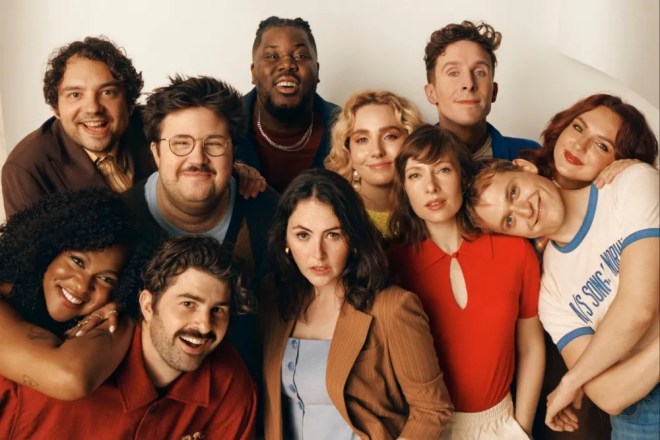
One of the most interesting and widely discussed decisions is the casting. British comedy television has long relied on a relatively small pool of familiar faces, particularly from panel shows. It would have been easy for SNL UK to lean on established names like Romesh Ranganathan, Rob Beckett, or Jimmy Carr. Instead, the show has largely avoided that route, opting for newer comedians, many of whom have gained popularity on platforms like TikTok. This has been one of the most positively received aspects of the show so far. There’s a clear appetite for fresh talent and audiences seem genuinely excited to see comedians who haven’t already been overexposed on British TV. That said, the casting hasn’t been without criticism. There’s been some discourse around class background and access within the comedy industry, questions about who gets these opportunities and why. While this isn’t unique to SNL UK, it’s part of a broader conversation that the show inevitably feeds into. Overall, the decision to platform newer voices still feels like a step in the right direction.
Bringing in Tina Fey as the first host was a strategic move. Fey is not only hugely popular but also deeply connected to the legacy of SNL (appearing as cast member from 1997-2006). She represents a bridge between the American original and this new UK version, and her involvement immediately gives the show credibility. She’s also often mentioned as a potential successor to Lorne Michaels, which adds another layer of significance to her appearance here. Her monologue was one of the standout moments of the episode – confident, sharp, and genuinely funny. It set the tone well and reassured audiences that, at the very least, the show understands what works at the core of SNL. Having such a recognisable and well-liked host for the first episode was important. It grounded the show and gave viewers something familiar to hold onto while everything else found its footing.
Structurally, SNL UK sticks very closely to the original formula: a celebrity host, a musical guest, a mix of live and pre-recorded sketches, and the iconic “Weekend Update” segment. This familiarity is both a strength and a weakness. On one hand, it provides a clear framework and connects the show to its American roots. On the other, it can sometimes make the UK version feel like it’s imitating rather than innovating. The challenge moving forward will be figuring out how to keep the structure while developing a distinctly British comedic voice within it.
As expected, the sketches are a mixed bag.
Highlights:
“Weekend Update” is already shaping up to be one of the strongest parts of the show. It has always been a fan-favourite segment in the US version, and that seems to hold true here. Paddy Young stood out in particular, bringing a confident delivery and strong comedic timing. It’s a segment that feels like it could become a consistent highlight. The internet sketch was another success. It felt more original and less reliant on tired tropes, suggesting what the show could look like when it leans into its own ideas rather than borrowing too heavily from the US version. A mildly amusing sketch featuring Paddington Bear was enjoyable enough, but perhaps not laugh-out-loud funny.
Lowlights:
Unfortunately, some sketches didn’t land at all. The political “cold open” sketch, which is often criticised in the American version, also fell flat here. This raises an interesting question: is political satire within the SNL format inherently difficult to get right, especially outside the US? “Gen Z Advisor” was one of the weaker moments. It leaned too heavily on clichés and felt more like an out-of-touch attempt to mimic younger audiences than something genuinely funny. Similarly, the “Last Dinner Party” sketch featured recognisable faces but didn’t use them in a particularly creative or humorous way. Additionally, the use of Gen Z slang especially in the Shakespeare sketch felt forced and unnatural. Rather than enhancing the comedy, it distracted from it, making the joke feel dated before it had even landed.
One of the biggest issues with SNL UK so far is that it doesn’t quite know what it wants to be. At times, it feels like a direct copy of the American show, right down to the pacing and structure of the sketches. At other times, it leans into very surface-level attempts at being relatable to a Gen Z audience, which doesn’t always work. This inconsistency makes the show feel slightly disjointed. However, it’s also something that could improve over time. Even the US version took years to fully establish its identity. Right now, SNL UK feels like a show in development rather than a finished product and that’s not necessarily a bad thing.
Online reactions have been varied. Some viewers have dismissed the show outright, calling it unnecessary or overly Americanised. Others have been more positive, highlighting the stronger sketches and praising the decision to platform new comedians. The general consensus seems to be that while the show isn’t perfect, it’s worth sticking with. Many people recognise that even the American SNL has inconsistent episodes and are willing to give the UK version time to improve.
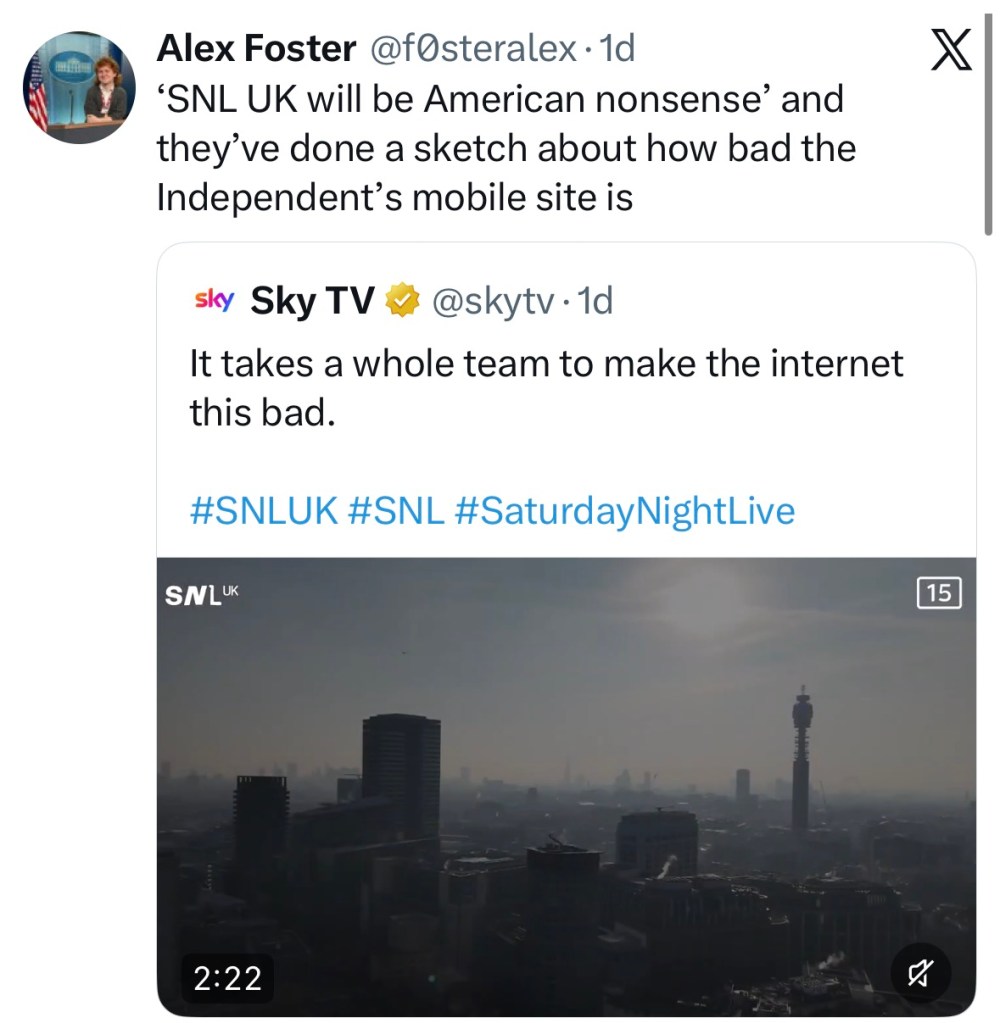
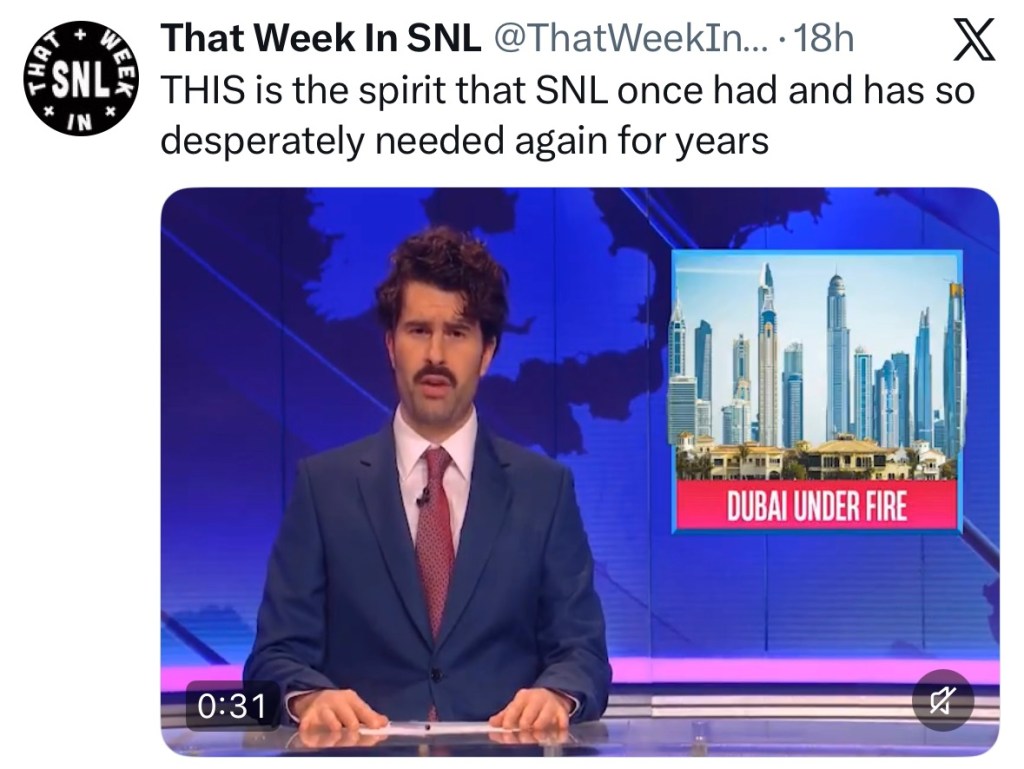
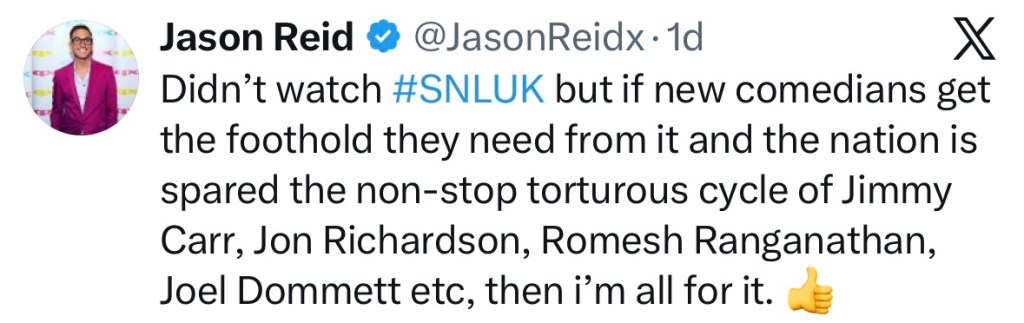
The biggest challenge for SNL UK will be finding its own voice. There are clear signs of potential in moments where the show feels fresh, funny, and distinctly British. The key will be building on those moments and moving away from simply replicating the American formula. There’s also a question of how the cast will be used going forward. Some performers already stand out more than others, and it will be important to give them the space to develop. One particularly strong presence is Ania Magliano, who feels underused at the moment. With more screen time and stronger material, she could easily become one of the defining voices of the show.
SNL UK is far from perfect, but it’s not a failure either. It has genuinely funny moments, a promising cast, and a format that—while familiar—still works when executed well. At the same time, it struggles with inconsistency, occasionally weak writing, and an identity that isn’t fully formed yet. Ultimately, the show’s success will depend on whether it can move beyond imitation and develop a style that feels uniquely British. For now, it’s a work in progress but one that’s worth watching.

