Interview with Harry Tatem, written by Sonia Naorozy
Edited by Lola Mortlock.
As part of the ‘Handle With Care’ season happening at the Arts Centre, I interviewed Harry Tatem, a graduate film production student from Coventry University. His work was screened as part of the Short Film Celebration event, curated by Coventry Phoenix Film Festival. In this interview, we discuss Harry’s short film, An Insight into Hillfields Estate and his experiences as a documentary filmmaker, exploring the ethical practices and care taken behind his work.
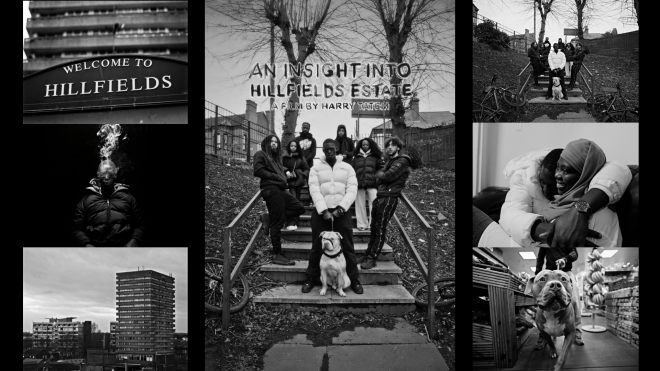
Directed, shot and edited by himself, Harry’s short film is available to watch online. The description reads: ‘An Insight into Hillfields Estate is a poignant black-and-white film that pays tribute to the golden age of British documentary photography, immersing viewers in the raw and unvarnished reality of life within one of the West Midlands’ most deprived estates. Shot in a 4×3 aspect ratio, every frame is a meticulously crafted piece of visual storytelling, seamlessly blending innovative camerawork with a deeply emotional narrative. At its core is the story of a young youth worker, a product of Hillfields Estate, whose journey reflects the resilience, struggles, and sense of community that define this overlooked corner of Britain. Through their eyes, the film explores themes of hardship and hope, offering an evocative and heartfelt portrayal of a world often unseen. Celebrated for its cinematographic excellence, An Insight into Hillfields Estate has earned multiple accolades, including the Bill Vinten GTC University Award, Best Cinematography, Best Editing, and the Audience Prize at the Nahemi Shorts Film Festival. Its bold visual style and resonant storytelling leave a lasting impact, capturing the spirit of an underrepresented community with both artistry and authenticity.’
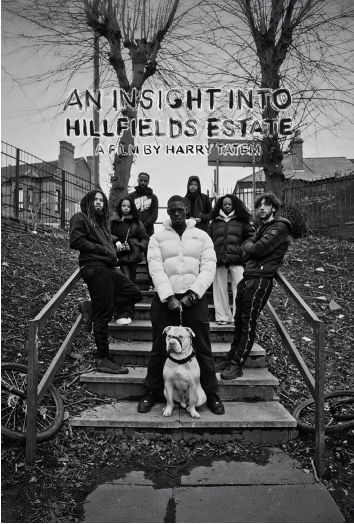
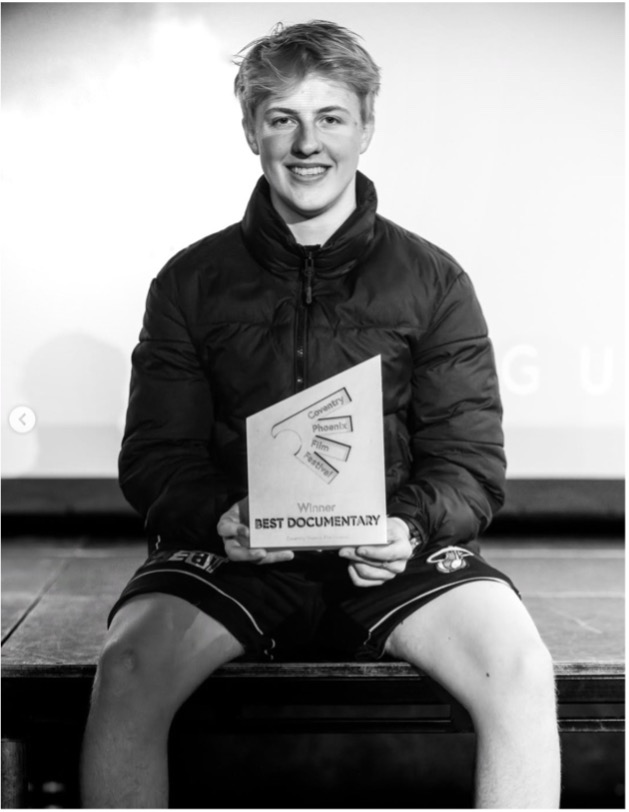
Left: Poster for An Insight Into Hillfields Estate. Right: Harry Tatem, awarded with Best Documetary
An Insight Into Hillfields Estate, available to watch here: https://filmfreeway.com/AnInsightIntoHillfieldsEstate
‘There was no real intention to shoot there before I came to the city, one thing led to another and we made it’ – Harry Tatem
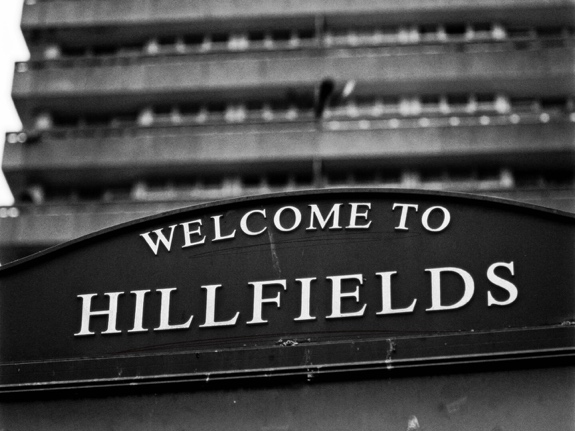
Having moved to Coventry for university, Harry would regularly cycle around the area. He’d find new places to explore on these bike rides. The area he found himself frequenting the most had a unique architecture incomparable to other parts of the city and, when cycling at night, he noticed how intimidating the flats and buildings were. That area was Hillfields.
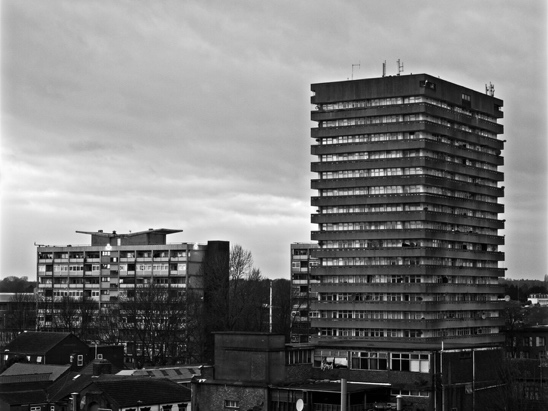
Short film stills
On these rides, Harry often had music accompanying him, listening to artists like Pa Salieu, a rapper from Coventry. He noticed backgrounds from music video locations, showing how music and culture are impacted and influenced by environment. He also discovered the Positive Youth Foundation working in the area, which is where he met people from the community. On coincidence, he met Tee – the brother to Pa Salieu, and future star of his documentary.
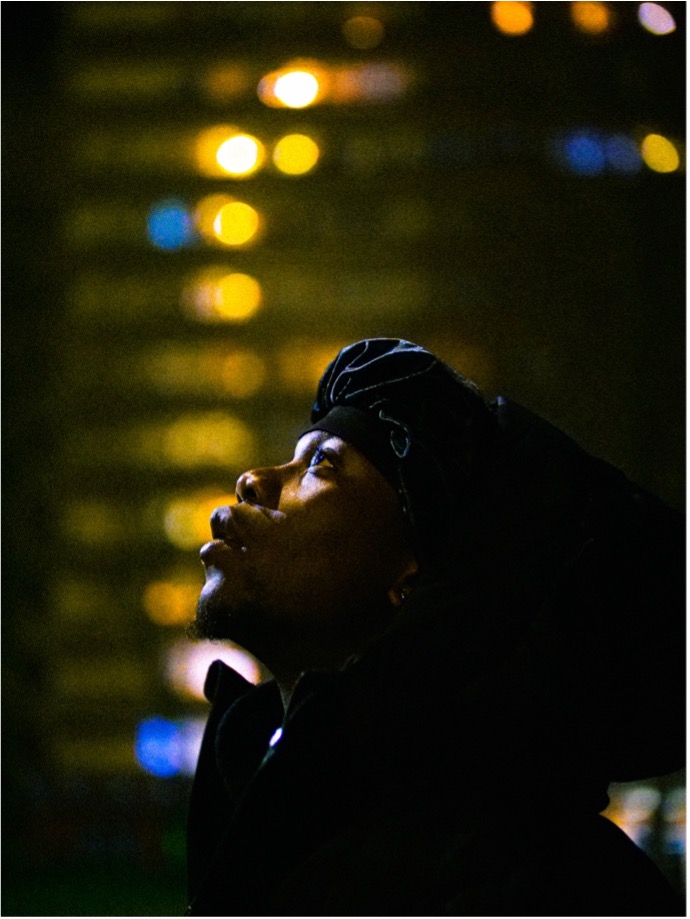
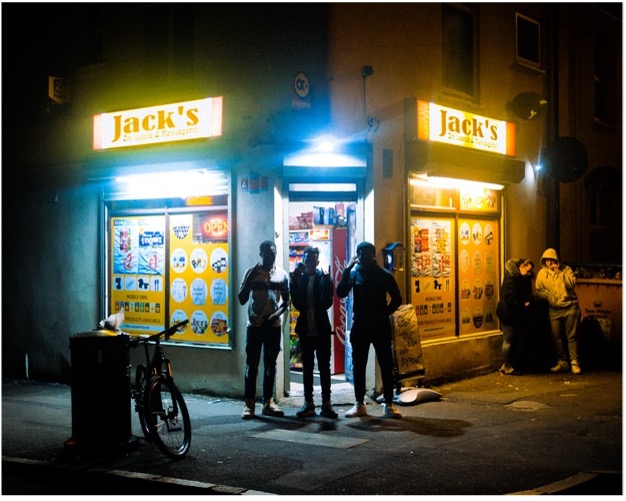
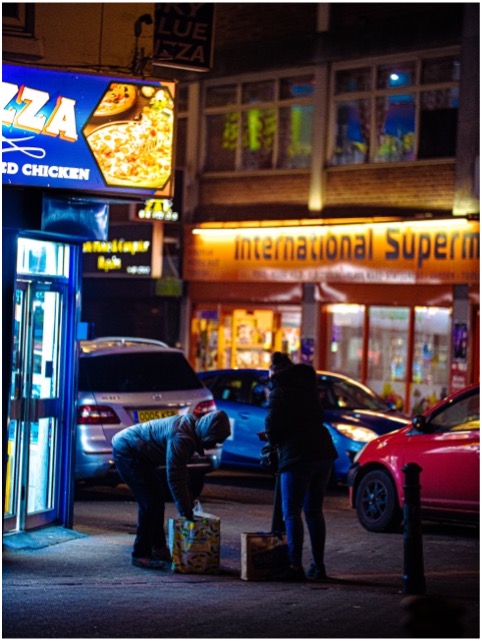
Street photography taken around the Hillfields area, including: Takunda’s portrait, Jacks, Help in Hand
‘I didn’t realise the issues were really there until I met loads of people from the area’ – Harry Tatem
At first, Hillfields was used as a background for Harry to experiment with composing interesting shots and striking images. He took an interest in street photography, taking spontaneous photos that documented his surroundings. Through this creative process, he started interacting with more people and realised the deeper issues that concerned the community, which soon became the central theme in his documentary.
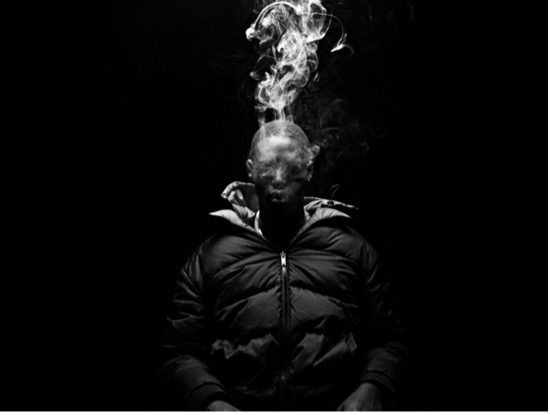
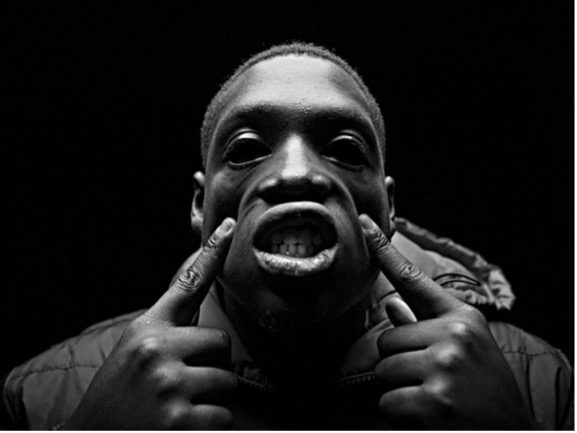
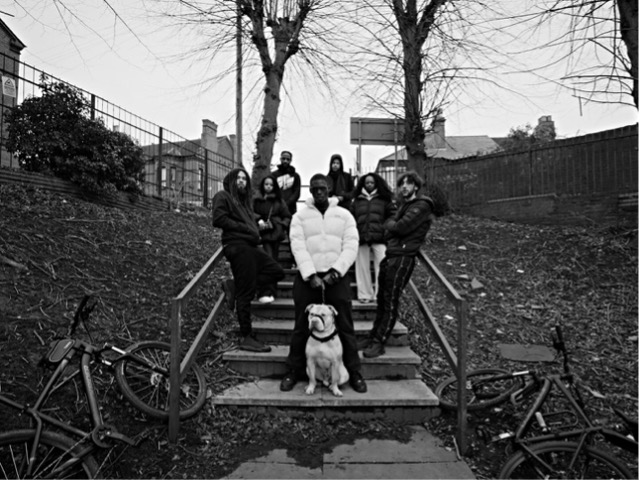
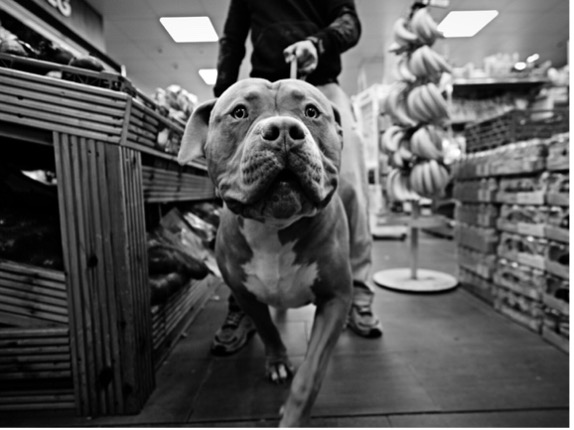


Short films stills
Harry reflects on the transition between frequenting the area and befriending locals to directing and shooting his film there, with the community at its centre throughout.
‘At first it was quite intimidating. You know, I was scared. I was a bit concerned that they’re not going to be wanting to be filmed. But, because I was there basically all the time, they always thought, “Oh, that’s just that guy that’s taking photos on his bike.” They got comfortable with me really quickly.
As soon as I turned up one day with a camera to shoot the actual documentary, they said, “Yeah, we’re happy, we trust you, we’ve seen you all the time. You can shoot, no problem.” It didn’t feel forced or anything.’ – Harry Tatem
Harry emphasises the need for ethical care in documentary filmmaking, noting the importance of recognising one’s own position.
‘You have to find a balance and be very aware of your position and your ethnicity, your privilege as a director to tell these stories.
With documentaries, I treat everything very carefully and make sure it’s really fine-tuned and approved ethically. Because the worst thing I could think of is someone saying I was taking advantage or there was something ethically wrong with the shooting. That’s something I try and put to the forefront of my work, for sure.’ – Harry Tatem
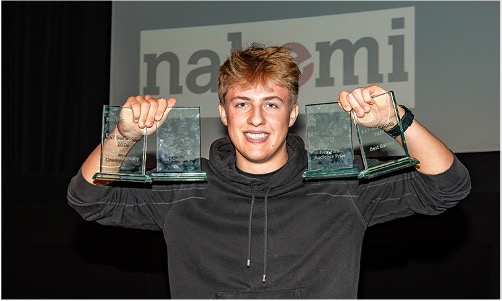
NAHEMI awards
Released early last year, the film was a success at NAHEMI (National Association for Higher Education in the Moving Image), winning up to 5 awards crediting its technical and stylistic achievement. It was also picked as the audience’s favourite, which Harry found the most rewarding.
‘The film was made as an experimentation for me, wanting to make a documentary. When I’m making docs it’s really for the community, and I want to make films that are stories untold.
The thing about a film is if it really grips the audiences and makes the audience feel the subject matter, that’s it…The fact that it won that was the best thing for me’ – Harry Tatem
Having graduated university, Harry now works as a freelance director and editor. He has shot music videos around London and the UK. He reflects struggles in how ‘it’s really hard to shoot a very low budget video if all the locations have been rinsed, so it’s not very inspiring.’ He admits the process operates in a way that is ‘very repetitive, like you’re shooting in the same place every week. And it’s not because you don’t have a lack of creative ideas. It’s just because the budget.’ To combat this, Harry would start pitching to artists to go abroad, investing in flights so they could make something more unique, which is far more motivating. Since then, he’s filmed music videos internationally in Portugal, Spain, Japan and Tokyo.
Harry shooting internationally, posted on Instagram here: https://www.instagram.com/p/DL79F8ETgY2/?utm_source=ig_web_copy_link&igsh=MzRlODBiNWFlZA==
Harry also talked about his experience with Documentary Campus, a 9-month course he took part in which offered training in industry settings, pitching in front of industry professionals and broadcasters. He was able to practise building his confidence whilst learning everything about the details of the industry. In preparation, Harry explains:
‘I had to get body language therapy, proper in-depth stuff, and someone’s analysing how I speak, how I present myself…You don’t understand the mental game behind it…When I’m doing the body language therapy, you don’t realise that what they’re saying is actually so true. They can read your mind. They’re like, “We know why you’re doing this.” They knew exactly what was going on…You need to feel present in the moment, so you need to feel the weight of your body, breathe in slowly, and then you need to face everyone’ – Harry Tatem
Harry expressed his long-term ambitions in documentary filmmaking, with an interest in telling untold stories with a narrative and stylised twist, combining the nature and creativity of a music video with a documentary.
‘I don’t think there’s many people in the UK that specialise in both documentary and music video. If I can get a bit of both, I think it sort of makes me stand out a little more than someone that just shoots block music videos in London’ – Harry Tatem
For aspiring filmmakers, Harry gave advice on how to approach documentaries, drawing inspiration from what’s around you.
‘You’ve got to find what’s around you and just be inspired by anything. For example, another person in my year (Anthony Spear) did a documentary about a boxing gym, which was cool. It put you into the realm of, what’s it like to start boxing when you don’t know how to throw a punch?’ – Harry Tatem
‘All you need is the idea, the concept, and a camera. Because it doesn’t have to be insanely creative, as long as it’s focusing on real people and a real story, you can create something meaningful’– Harry Tatem
Director biography
Harry Tatem is a director and editor based on the south coast of the UK, working primarily across music videos and documentary-led storytelling. His work is rooted in a cinematic yet observational approach, combining strong visual language with authenticity, texture, and rhythm.
Harry has worked on music videos for artists including Aitch, AJ Tracey, Lancey Foux and Jim Legxacy, alongside projects for brands such as Nike London. His work has also taken him internationally, shooting across Japan, Spain, Portugal, and Senegal, where travel and place increasingly influence his visual storytelling.
Beyond music videos, Harry is also a documentary filmmaker, directing the short documentary ‘An Insight Into Hillfields Estate’, which blends experimental artistry with factual storytelling. The film received multiple national university awards and marked an important step in his continued focus on long-form and documentary work.
Alongside directing, Harry is an experienced editor. He began his career working with Aitch, contributing to visual content around the album Close to Home, a Brit Award–winning project, before going on to edit music videos and branded content for companies and production teams including EMI Records, Universal Records, Don Prod, and Odyssey. His post-production background continues to inform his directing, giving him a strong sense of structure, pacing, and narrative clarity.
Across both directing and editing, Harry has contributed to over 20 music video projects generating more than 35 million views worldwide. Despite his success, he remains committed to evolving his craft and pushing creative boundaries in visual storytelling.

