
Written by Alice Alampi, Edited by Ava Bibb
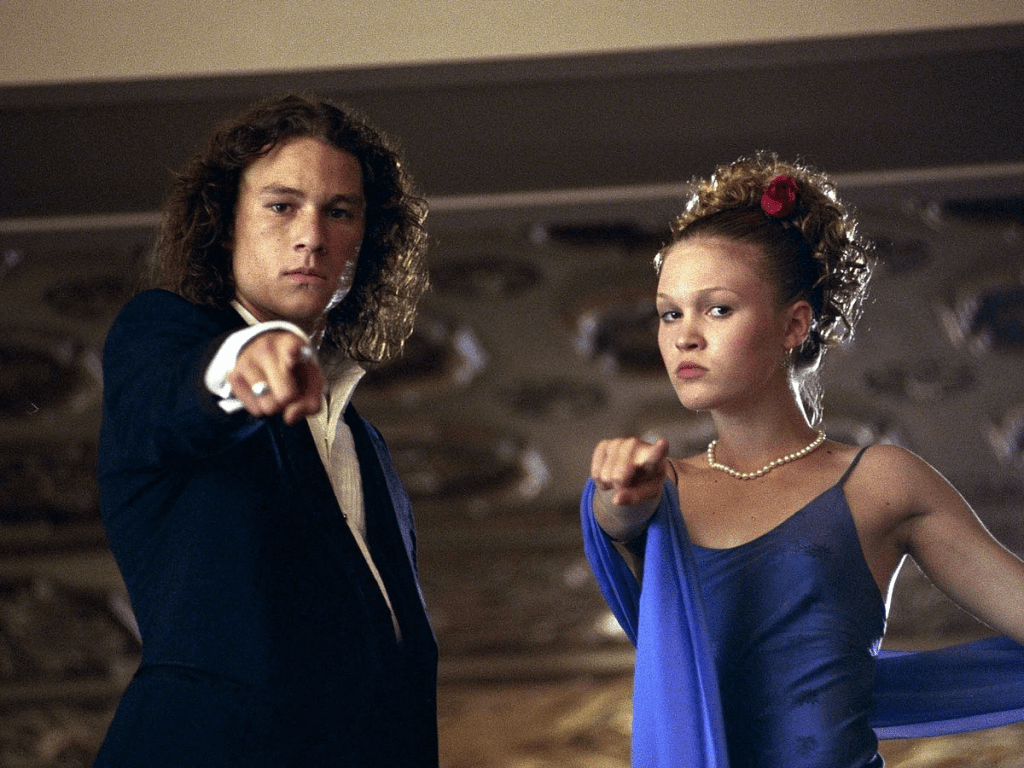
When people think about love depicted on screen, they often think in terms of genre or trope: unrequited love, enemies-to-lovers, friends-to-lovers, fake dating, forced proximity — the list goes on. There are countless films that present clear, comforting portrayals of romance. Some of my personal favourites include 10 Things I Hate About You, When Harry Met Sally, How to Lose a Guy in 10 Days, and Crazy, Stupid, Love. These films celebrate romantic love in ways that feel familiar and satisfying.
But this is where we begin to stray from the bigger picture. On the surface, these portrayals are more than enough — they are charming, nostalgic, and easy to enjoy (and I can safely say I am one of those people who loves them). However, representation goes far beyond romantic tropes. When discussing the different types of love depicted in cinema, one franchise immediately comes to mind: Pirates of the Caribbean. Arguably one of the most successful film series of the 2000s, director Gore Verbinski crafted a cinematic world that naturally incorporates multiple forms of love — romantic, platonic, familial, and even tragic — without ever making love the sole focus of the narrative.
In recent years, there has been significant discussion surrounding the portrayal of love in media, particularly concerning LGBTQ+ representation. Some argue that cinema has historically lacked queer narratives, while others critique what can feel like overcompensation in modern storytelling, where representation risks appearing forced rather than organically integrated. What makes representation powerful is not simply its presence, but its authenticity. Shows like Modern Family demonstrate this balance beautifully. Through couples like Gloria and Jay, Mitch and Cam, and Claire and Phil, the series presents varying forms of love naturally, allowing difference to exist without sensationalising it. Similarly, despite airing in 1994-2004, Friends integrated Carol and Susan’s relationship as a meaningful and recurring part of the narrative, alongside Ross’s struggle to accept it. Their love was treated with the same narrative weight as any other relationship.
While it is true that queer representation has historically been limited, there have long been films that present varied modes of love with nuance. Love Actually, About Time, Four Weddings and a Funeral, and The Holiday all explore different forms of affection and connection. This does not diminish the importance of advocating for broader representation, but it does suggest that authentic, understated portrayals often have the most lasting impact.
As F. Scott Fitzgerald once wrote, “There are all sorts of love in this world, but never the same love twice.” That individuality is what makes cinematic love so powerful when done well.
Perhaps the most underrated form of love in cinema is platonic love. Friendship, kinship, shared experiences, filial bonds, parental sacrifice, chosen family, and even self-love are often overshadowed by romance. Yet these relationships frequently carry the emotional weight of a story. This is where Pirates of the Caribbean becomes particularly significant. At first glance, it may not seem like a franchise centred on love. However, because love is not always the explicit focus, its presence becomes even more impactful.The evolution of Will Turner and Elizabeth Swann’s relationship is one of the franchise’s central emotional threads. What begins as unspoken affection develops into friendship and ultimately a powerful romance. Their love endures distance, danger, and even Davy Jones’ curse — symbolising loyalty and resilience. Their story has become a staple of romantic storytelling within blockbuster cinema. Similarly, the tragic love between Davy Jones and Calypso reveals another dimension of romance: betrayal, heartbreak, and the consequences of broken promises. Not all love stories end happily, but that does not make them any less profound.
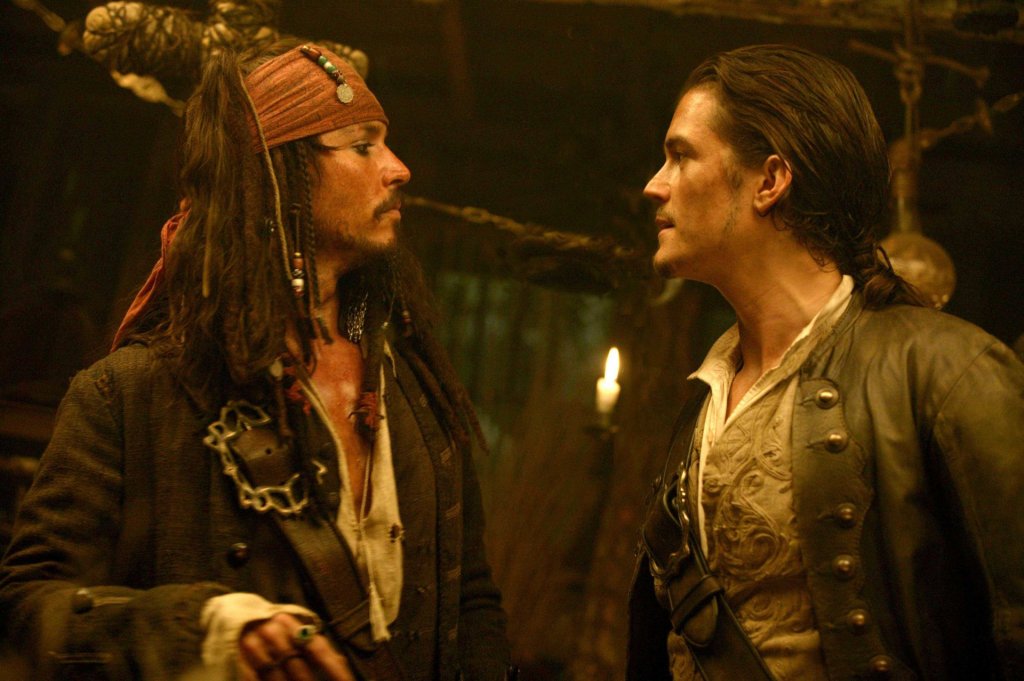
Equally crucial is the relationship between Will Turner and Captain Jack Sparrow. While some interpret their bond as subtly queer-coded, its importance lies in its portrayal of male friendship, something often underrepresented on screen. Despite tension and rivalry, their shared experiences forge deep mutual respect and loyalty. This reflects the idea of chosen family: bonds formed not by blood, but by circumstance and connection. These platonic relationships are just as emotionally resonant as the romantic ones, if not more so.
The franchise also offers powerful depictions of parental love. The bond between Captain Barbossa and his daughter Carina is deeply moving, especially in the moment when she asks, “What am I to you?” and he responds, “Treasure.” It is a simple yet emotionally charged exchange that encapsulates paternal sacrifice. Likewise, Governor Swann’s devotion to Elizabeth reinforces the theme of protection and unconditional love. Both fathers ultimately demonstrate that familial love can be just as heroic and tragic as any romantic storyline. Even unrequited love is handled with nuance. Elizabeth and James Norrington’s relationship evolves beyond romantic longing into respect and friendship. Norrington’s eventual sacrifice reflects a form of love that transforms rather than festers, a reminder that love can mature into something different, yet still meaningful.
What makes Pirates of the Caribbean so compelling is its refusal to prioritise one type of love over another. Romantic relationships, friendships, parental bonds, tragic romances, and personal sacrifice are all woven into the narrative with equal importance. Cinema has always explored love in its many forms. But when films allow these variations to exist naturally — without forcing or simplifying them — they create something far more impactful. Love does not have to be the central plot to be central to the story.
Ultimately, the franchise demonstrates that love is not singular. It is layered, shifting, imperfect, and deeply human. And sometimes, the most powerful depictions are the ones that unfold quietly beneath the adventure.
 reeltalk0.movie.blog