
Written by Anastasia Gandzha, Finn Chadwick, Chao-yuan Yang, and Katia Hiver, Edited by Alejandra Benavides Valcarcel and Amelia Evans
This year, a group of students from Film and Television Studies got the exciting opportunity to attend the Berlin International Film Festival. The following post features the reviews of some of the films they got to watch in the Competition category.
Another End (Piero Messina, 2024)
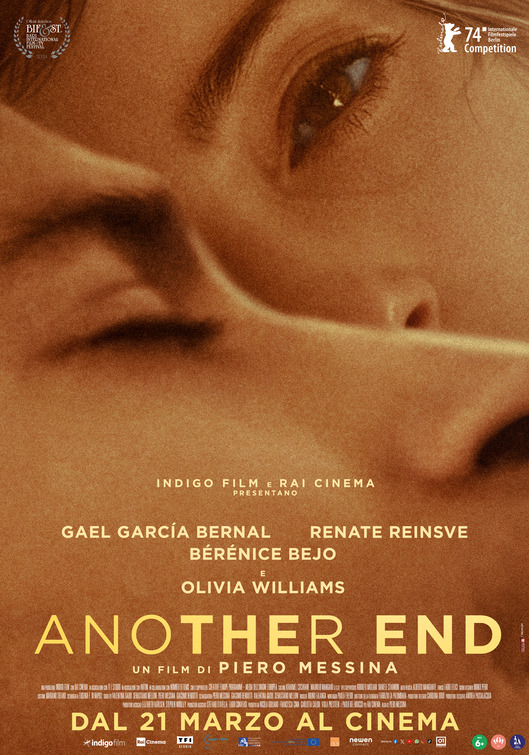
“The bitter aftertaste of solitude in futurist settings.”
The film leaves you with very mixed feelings. Philosophically, I liked the concept which is based on the idea that in the future we will be able to extend the life of loved ones who have passed away by placing their mind in the body of another person.
The bitter aftertaste of solitude and futurist setting is reminiscent of Blade Runner or Black Mirror. But if Blade Runner questions what makes us human, this film questions what makes us fall in love.
However, visually and narratively the work is very predictable. At times, it succumbs to predictable storytelling tropes and clichés to such an extent that some plot twists may become apparent within the first 20 minutes of the film.
3/5 Anastasia Gandzha
A Different Man (Aaron Schimberg, 2024)
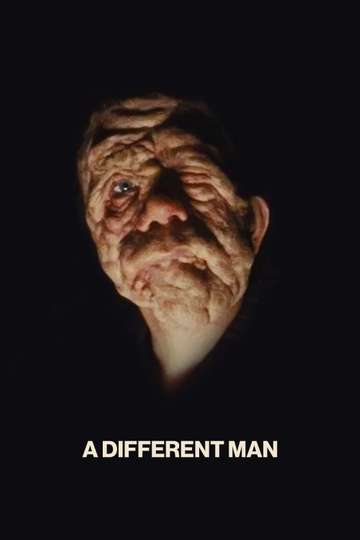
“Originality that deserves all the praise.”
The issue of appearance is something we all must deal with every day, even when we wish that we did not care at all, ultimately, we always do. This film questions whether who we are as humans would change if our appearance did. A Different Man (2024) almost feels like an animation in the way that it takes that simple idea to its utmost extremes to make for an incredibly captivating and extremely entertaining experience.
That is not to say that it is a comfortable watch, Aaron Schimberg makes his viewers cringe on every level, from soul-crushingly awkward exchanges of dialogue to devastating plot revelations and straight-up body horror. I understood that this may not be for everyone when most people in the audience were sinking into their seats with disgust and second-hand embarrassment, while I was leaning forward, revelling in the awful feeling that spread across the aisles.
Sebastian Stan proves himself as a leading man and if I had it my way he would be up for Best Actor at the Oscars. I am not sure I can remember being so shocked by a performance in a long time. It is a completely original performance in a completely original film which deserves all the praise.
4.5/5 Finn Chadwick
Hors du Temps (Olivier Assayas, 2024)
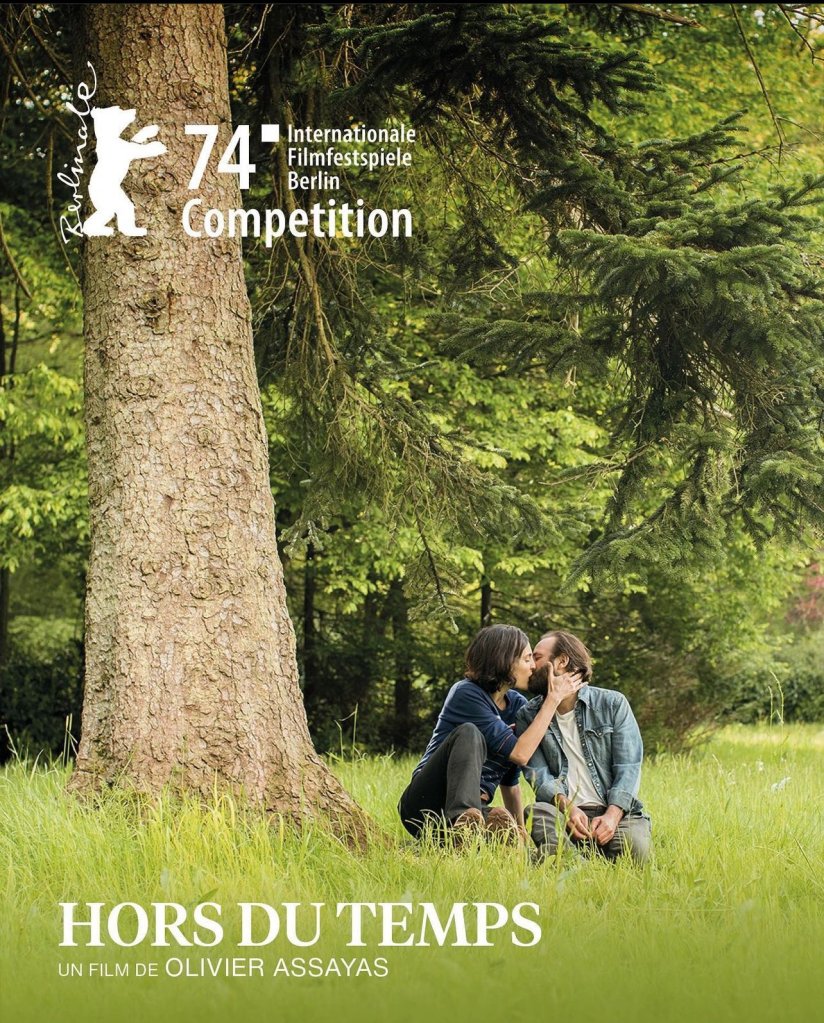
“Pandemic is not an excuse.”
Director Olivier Assayas’s post-pandemic self-penned portrayal of a disoriented filmmaker, allegedly an allusion to himself, struggles within and without the diegesis. During the pandemic and the period of self-isolation, the protagonist feels in the middle of nowhere, facing issues with his family and professional life. It sounds like a good starting point for a convincing drama, doesn’t it?
In fact, from the beginning, Assayas’s cinematic composition goes in the wrong direction, just as COVID-19 ruins these people’s lives. There is no room for taking a breath when the voiceover narrator relentlessly tries to pack everything into our minds in a short time. To make matters worse, in the rest of the film, Assayas does not get tired of pouring out his bourgeois, unsolicited worries that many audiences may have zero interest in knowing. Occasionally, there seems to be an imitation of Taiwanese director Hou Hsiao-Hsien’s style, a big influence on him, in terms of framing and mise-en-scène. But there is nothing new or deeper.
Note to filmmakers: Please stop making COVID-19 an excuse for your lack of creative process and boxing yourselves up in it.
2/5 Chao-yuan Yang
“Who asked, Assayas? Who asked?”
I do not think that the fact of being an acknowledged director allows you to make a film of such an egocentric and pretentious nature, so much so that it feels like it should not be screened to the public audience at all. This film has no communication with the spectator, and the only question that it actually raises is “Who asked?” In the film, one of the brothers constantly forgets to take out the rubbish. Similarly, Hors du Temps should have been left somewhere in the personal archives of Olivier Assayas. It was a shame to see something so irrelevant and empty in the competition selection of Berlinale.
1.5/5 Anastasia Gandzha
“How narcissistic can you be to make a film like this?”
Pretentious, bourgeois, disappointing. Suspended Time is an absolute waste of time. The kind of film you make on your own and show to your parents and friends who pretend to like it. I genuinely do not understand why this film was chosen to be part of the Berlinale selection for the competition.
0.5/5 Katia Hiver
La Cocina (Alonso Ruizpalacios, 2024)
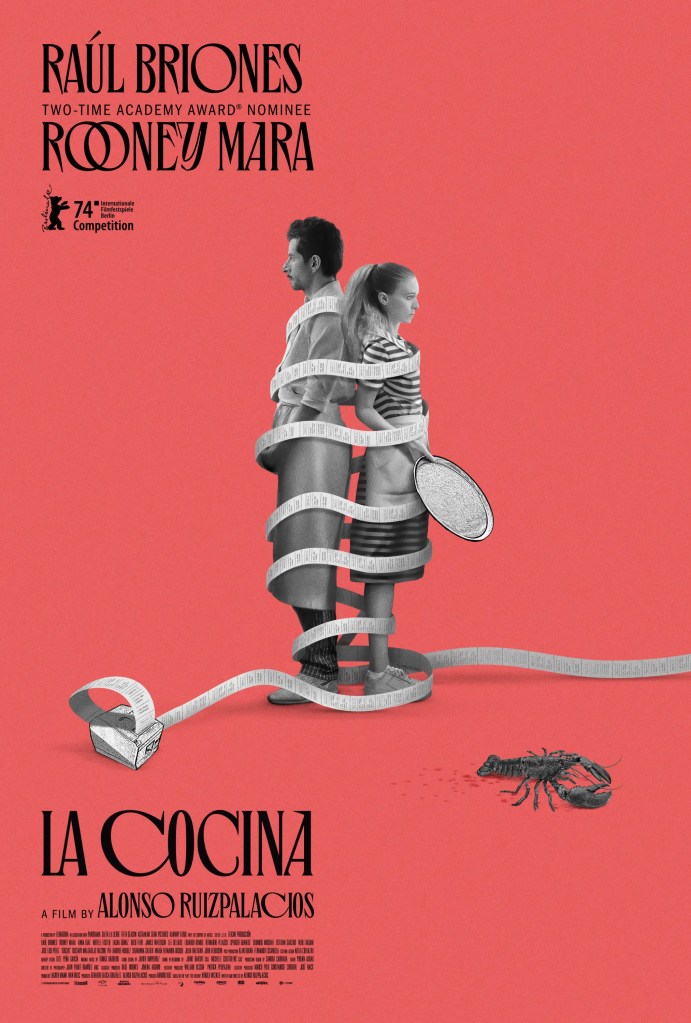
“Conflicts. Passion. Love. Dreams. Kitchen.”
The film depicts the story of a Manhattan restaurant that illegally employs immigrants with the promise of a brighter future.
Despite the promising narrative, for me the film’s full potential was not fully realised. Though the film is visually stunning, not even its creative cinematography can save its flat narrative; oftentimes leaving it feeling like an over-salted dish. Some of the sequences are absolutely outstanding but they are combined with constant transformations of form, which often feels overwhelming and overdone.
3.5/5 Anastasia Gandzha
“Purgatory of American Dream”
A culmination of interesting visuals and ideas with a prevalent allegory of heaven, hell and purgatory.
While watching, I was faced with the realisation of the extent of Hollywood’s power through La Cocina’s criticisms of the ever-impossible American dream. This theme is ever present from the mise-en-scène of the kitchen to the exceptional use of colour.
3.5/5 Katia Hiver
Pepe (Nelson Carlo de Los Santos Arias, 2024)
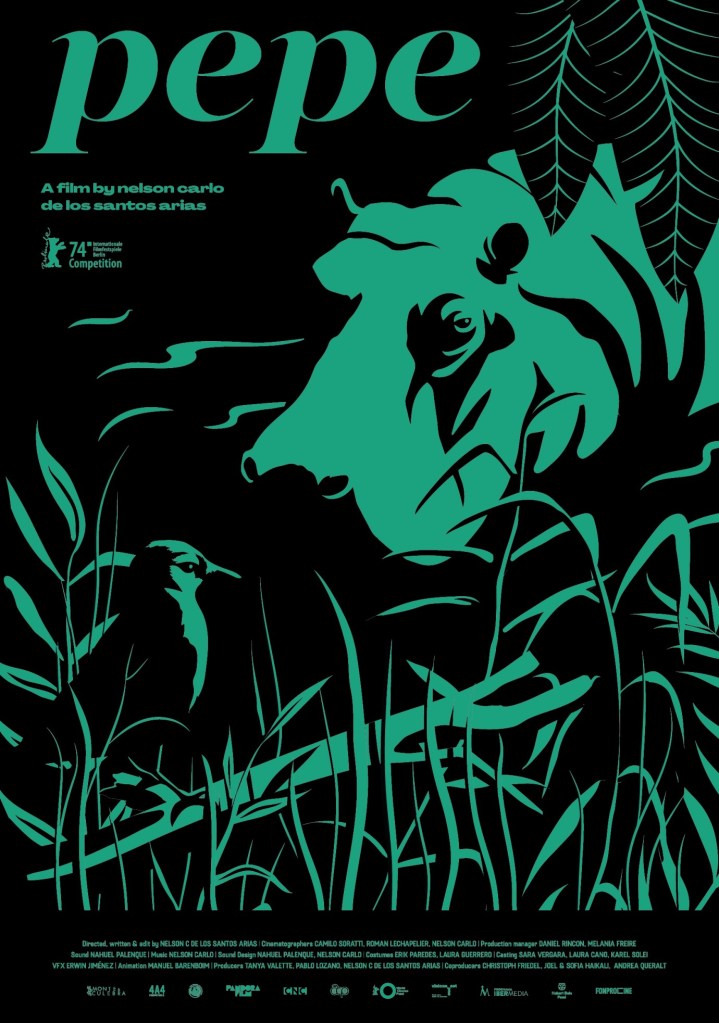
“Pure brilliance of anti-colonial filmmaking.”
I never knew that the story of the hippopotamus can reflect the whole history of slavery, colonialism and dictatorship in Latin America, but it does! And in such a unique and inimitable way, I was absolutely fascinated by the extraordinary cinematography and editing that this film operates. It makes you lose the sense of time and space, which helps to convey the major metaphorical correlation between historical colonial violence and the story of the film’s protagonist.
Of course, the constant shift of scenes and locations, experimental narrative and very non-standard protagonist can feel a bit overwhelming for some audiences. It is certainly not a film for everyone, but it was a film for me — my favourite screening of the Berlinale 2024 and pure brilliance of anti-colonial filmmaking.
5/5 Anastasia Gandzha
 reeltalk0.movie.blog