Written by Owais Azam, Edited by Issy Smith
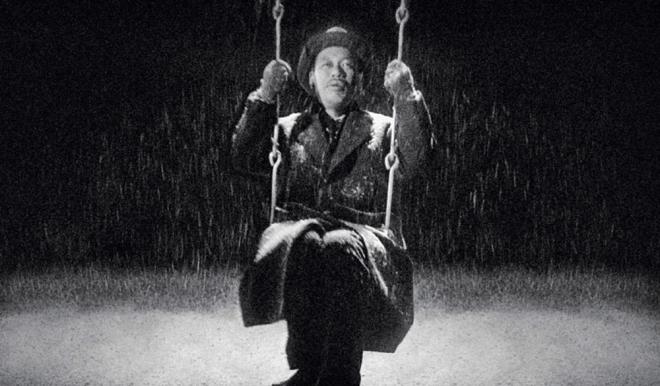
Akira Kurosawa’s Ikiru (1952) is a minimalistic yet emotionally and philosophically invigorating examination of the human condition; specifically, Ikiru perfectly condenses the lifelong human search for meaning and purpose into its 143-minute runtime. Existential dread anchors the feet of Watanabe to an ocean of discontentment. Learning he has stomach cancer and will die within a year, he realises that he’s accomplished nothing truly meaningful within his life. He’s been stuck in an office for thirty years doing the same bland monotonous tasks. He’s been merely existing instead of living and this existence has been seemingly futile. Embarking on a journey to sever this anchor, he wanders through Tokyo and finds himself in the lap of several ways of thinking: initially embracing a philosophy of self-destructive existential nihilism, later vicariously living through a young woman and her youthful enthusiasm to rejuvenate any sense of life he has remaining within him. Through his journey and conversation with those he encounters, he finally recognises his purpose (which I won’t spoil!) – and it’s one that we could all learn from, as the film’s further critique on bureaucracy illustrates.
Ikiru’s humanist brilliance is rooted in its narrative but bolstered by its aesthetics; simple yet elegant shots and camera movements complement the film’s tonal meandering, initially rooted in its minimalistic narrative that raises the philosophical interrogations we and Watanabe are forced to confront. Kurosawa’s blocking paints tender portraits that are intimately expressive of the inner turmoil of his characters, fully embracing filmmaking as an emotive language. The touching yet tranquil and soothing score reminds us that, despite its depressing subject matter, the film prompts an optimistic outlook on life and acts as a poignant humanist reminder that we should not get tangled into and drained by the uniformities of everyday life, but we should instead remember to live.
 reeltalk0.movie.blog